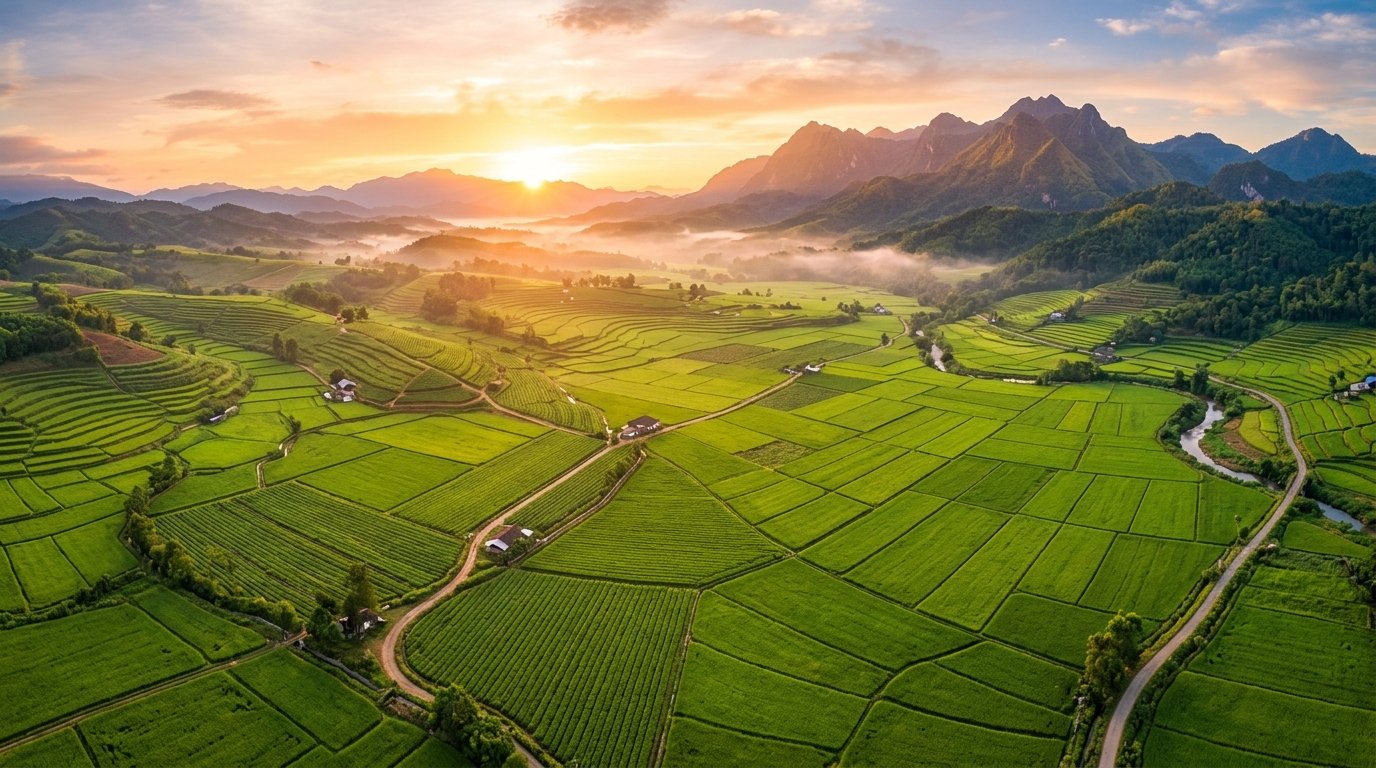
Every batch of Kashmiri saffron that leaves our Nashik facility has already travelled a long road — from the terraced fields of Pampore, through hand-picking and drying, and finally through our own grading and testing process before it ever reaches a shipping container. For buyers new to sourcing saffron, understanding that process is the fastest way to judge quality with confidence.
Why Grading Matters
Saffron is priced and traded almost entirely on colour strength, aroma, and purity. Two lots that look identical to the eye can differ enormously in value once tested — which is why grading isn't a formality, it's the foundation of fair pricing for both sides of the trade.
"A buyer who understands grading asks better questions — and gets a better answer every time." — Minaasi Quality Team
The Grading Criteria We Use
Our grading follows internationally recognised methods, primarily aligned with ISO 3632, which measures saffron on three core properties:
- Crocin content — determines colouring strength, the single biggest driver of grade and price.
- Picrocrocin content — responsible for saffron's distinctive bitter taste.
- Safranal content — the compound behind saffron's characteristic aroma.
Grade Categories
Based on these readings, saffron is sorted into recognised categories. Here's how they typically compare:
| Grade | Colour Strength (Crocin) | Typical Use |
|---|---|---|
| Category I (Mongra / Sargol) | ≥ 190 | Premium retail & culinary export |
| Category II | 150 – 190 | Food industry, mid-tier retail |
| Category III | 110 – 150 | Bulk food processing |
| Category IV | < 110 | Colouring agents, non-culinary use |
Our Step-by-Step Process
- Hand-sorting of raw stigmas to remove stems and foreign material.
- Moisture testing to confirm proper drying before storage.
- Lab testing for crocin, picrocrocin, and safranal levels.
- Categorisation into grade batches, each logged with test results.
- Sealed, light-proof packaging to preserve potency until it reaches the buyer.
- Always ask for the lab test report (ISO 3632 or equivalent) with your quote.
- Colour strength (crocin) is the single most reliable indicator of value.
- Store saffron in a cool, dark, airtight container to preserve grade after delivery.
- Confirm harvest year — freshness affects aroma and potency over time.
What This Means for Your Order
When you request a quote from Minaasi, we share the grade category along with lab documentation for the specific lot you're sourcing — so pricing is transparent and verifiable before you commit. It's a small step that saves a lot of back-and-forth once the shipment is on its way.
Whether you're sourcing a small retail order or a bulk shipment, understanding grading gives you a clearer picture of what you're paying for — and gives us a shared language to talk about quality from the very first quote.